Understanding the Phoenix context
When a homeowner in Phoenix contemplates remodeling, the decision often hinges on a mix of personal comfort and financial sense. The heat, the housing market, and the way energy costs interact with local building practices all matter. In many neighborhoods, adding living space or upgrading key rooms can improve daily living while preserving or increasing resale value. But the Phoenix market has its quirks. The value a particular project adds is rarely a simple dollar-for-dollar calculation. It hinges on how well the project aligns with market demand, housing stock, and the quality of execution.
In practical terms, ROI in this context means a project that delivers meaningful daily benefits and a reasonable chance of preserving that value when you sell. It does not guarantee a premium price, but it increases your odds of a favorable appraisal and a smoother sale. For Phoenix homeowners, that often translates to projects that improve energy efficiency, modernize kitchens and bathrooms, and create durable spaces that perform well under our desert climate.
A steady approach helps. Start with a clear functional goal, then evaluate costs against potential gains in usability and market appeal. If you have a house that feels outdated relative to your street, modest upgrades that refresh finishes and layouts can deliver a larger perceived value than a flashy, high-cost remodel that the neighborhood cannot support.
A real-world lens on cost versus value
In Phoenix, builders and remodelers see a wide spread in project costs based on scope, materials, and site conditions. A full kitchen upgrade, for instance, can range from tens of thousands to well into six figures depending on appliance choices, layout changes, and fixture quality. A bathroom refresh, by contrast, might be much more predictable but still subject to changes in waterproofing requirements and tile selections.
From an investment standpoint, the rule of thumb is that the strongest ROI comes from projects that address daily friction in a home you actually live in. If a kitchen is small and inefficient, expanding it or reconfiguring it for better traffic flow can deliver tangible daily benefits. If a master bath presents persistent water management or clutter problems, solving those issues can translate into both comfort and resale readiness.
How to gauge project value before you start
One practical approach is to separate improvements into two buckets: functional improvements that improve livability now, and market-oriented improvements that may influence resale. Functional upgrades tend to return value in the form of better energy bills, longer-lasting systems, and a more enjoyable living environment. Market-oriented upgrades attempt to push the home’s sale price relative to comparable homes in the area.
A well-balanced plan often includes both elements, but the emphasis should align with your long-term plans. If you plan to stay in the home for many years, prioritize comfort, durability, and energy efficiency. If you anticipate moving within a few years, weigh the likelihood that the neighborhood will support a higher asking price for specific improvements.
A practical framework you can use
- Start with a floor plan that eliminates bottlenecks and wasted space Choose materials that balance durability with cost, especially for high-traffic areas Invest in energy improvements that reduce monthly bills and improve comfort Focus on finishes and details that buyers notice first, like lighting, cabinets, and countertops
The cost landscape in Phoenix
Costs in Phoenix reflect several interacting factors. Labor availability, material volatility, and code requirements all shape the final price tag. The desert climate adds a premium for durable, water-resistant finishes and reliable cooling strategies. On the flip side, Phoenix’s climate can support clever design choices that reduce ongoing operating costs, such as high-performing insulation, efficient windows, and well-sealed envelopes.
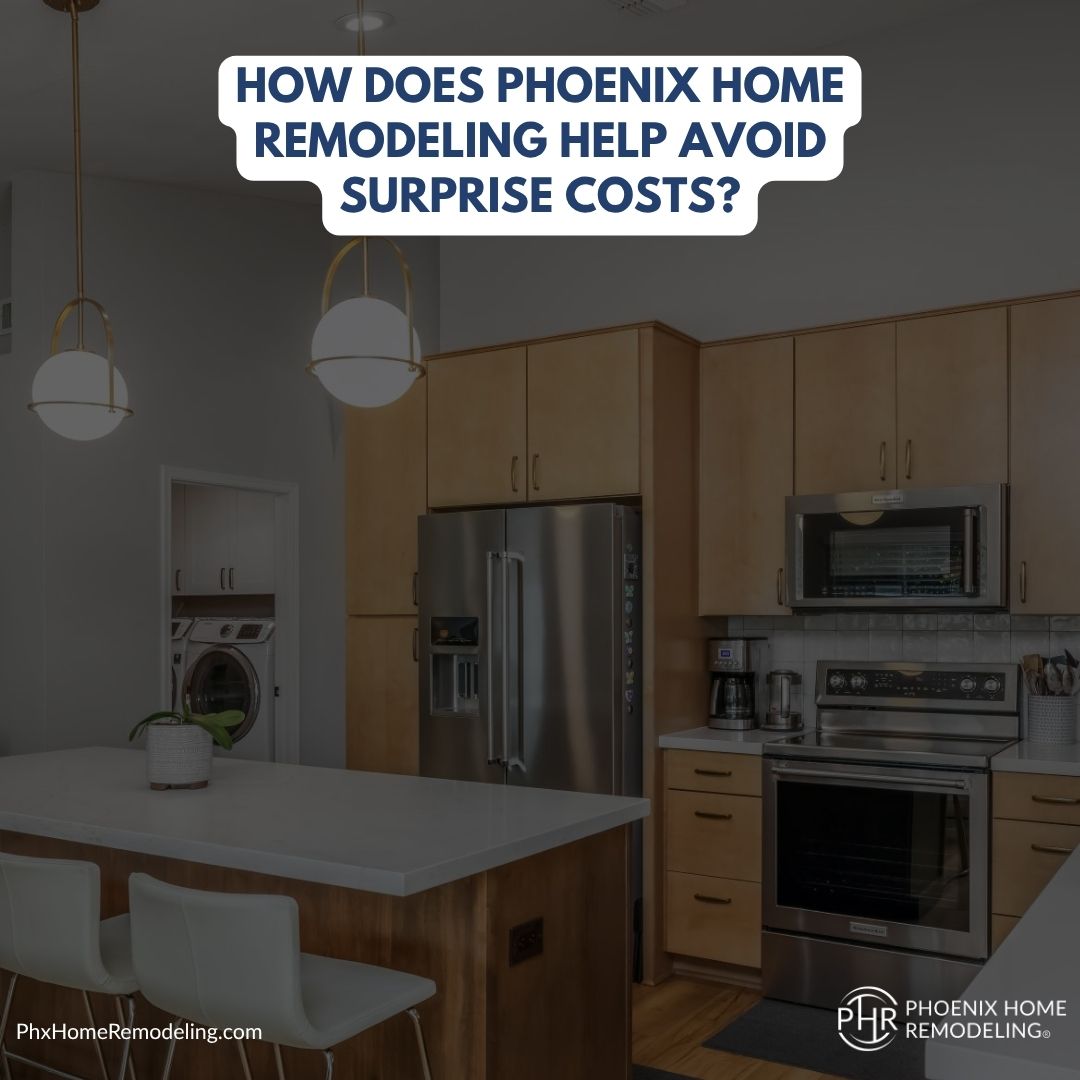
Understanding these dynamics is essential before you sign a contract. A transparent remodeling partner will walk you through permitting costs, impact fees, and potential scheduling constraints that can affect both price and timeline. In many cases, the biggest value comes from a thoughtful, staged approach. Starting with a planning-first process helps you secure accurate pricing before construction begins.
A note on pricing transparency
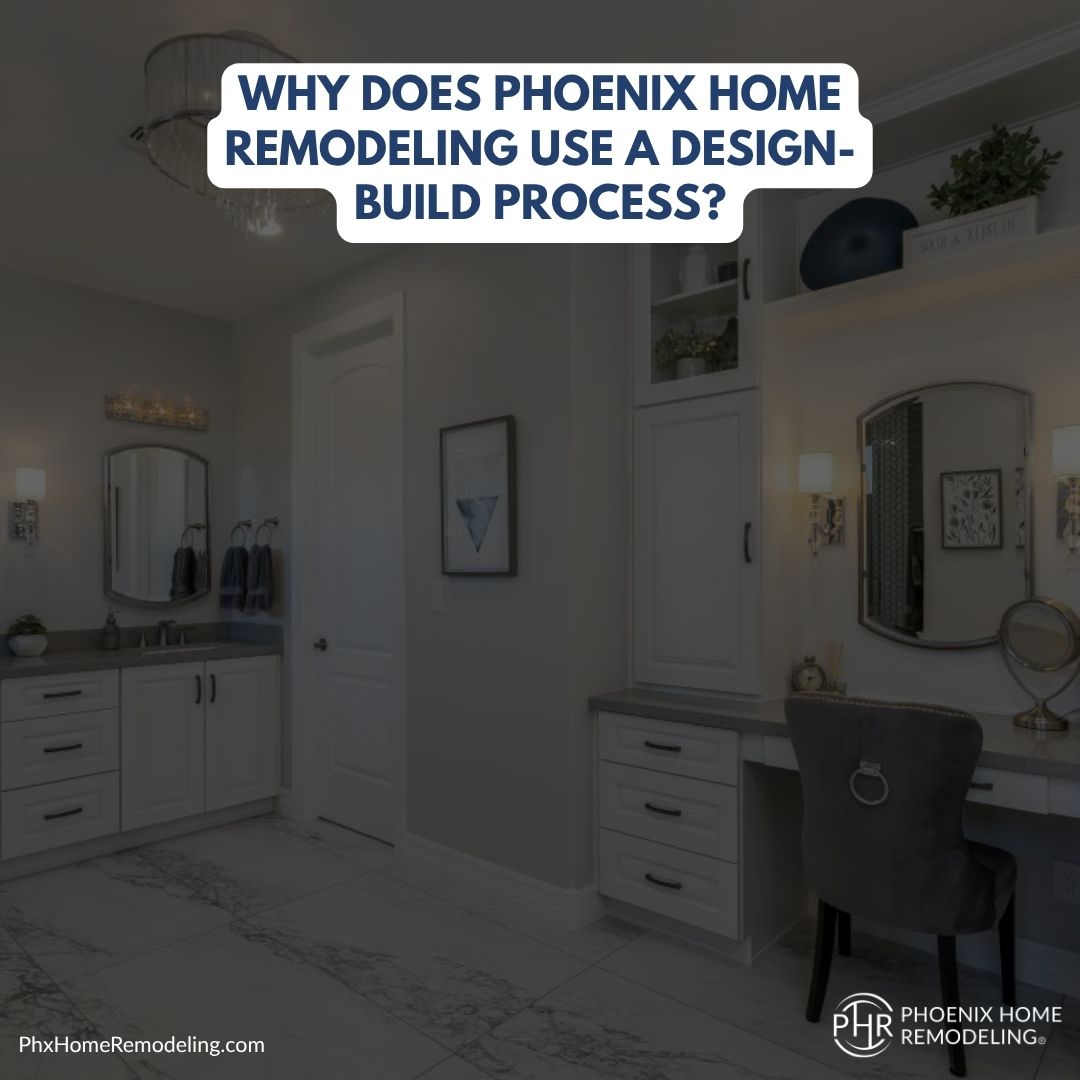
Phoenix Home Remodeling uses a planning-first design-build process that completes feasibility, material selections, and 3D design before construction begins. This approach helps align expectations and reduce surprises once work starts.
Real-world projects and what they taught us
Consider two recent home scenarios from the Phoenix area. The first involved an older home with a compact kitchen and poor daylight. The owners opted for a reconfigured layout that opened the space to a breakfast nook and added larger, energy-efficient windows. The result was PHR Phoenix home transformation a kitchen that felt bigger, more functional, and less heat-prone during peak sun. The second project focused on a master bathroom that was cramped and prone to moisture issues. The design team separated the wet and dry areas, replaced a tub with a walk-in shower, and upgraded waterproofing. Both projects delivered clear daily benefits and improved perceived value.
In both cases, the value was not a one-to-one match with cost. The improvements paid back through improved daily living and a stronger sense of home, while their resale impact was influenced by how well the upgrades fit the surrounding neighborhood and the house’s overall condition. It’s also worth noting that some projects deliver strong daily value but only modest resale premiums if the home’s overall context does not support higher prices.
Edge cases to consider
- Homes with strong original construction benefit less from cosmetic updates unless they address serious functional flaws. Projects involving structural changes require careful engineering and can complicate budgets, but they may unlock the most value when the home layout is inefficient. Energy upgrades provide ongoing savings; buyers increasingly look for homes with efficient envelopes and reliable systems, particularly in hotter markets. Build quality matters more than scale. A smaller, well executed update can outperform a larger, rushed project in perceived value.
Design decisions that move ROI
Design choices drive both daily enjoyment and resale value. In Phoenix, certain decisions tend to outperform others due to climate, housing stock, and buyer expectations. The best ROI often comes from a combination of practical improvements and finishes that feel contemporary without pushing the budget beyond what the neighborhood can support.
Key decisions include improving layout flow, selecting durable materials, and prioritizing energy efficiency. For kitchens, a balanced approach to cabinetry, durable counters, and a reliable layout that minimizes wasted movement pays dividends. In baths, durable tile, water management, and contemporary fixtures contribute to a standout space without excessive cost.
A few practical scenarios
- Scenario A: A mid-20th century home with a tight kitchen. Opening the space into a dining area, updating to a contemporary cabinet layout, and installing high-efficiency appliances can yield a noticeable improvement in daily use and a visible value bump. Scenario B: A home with an aging roof and HVAC system. Upgrading to better insulation, efficient windows, and a modern HVAC system can reduce operating costs while making the home feel newer. Scenario C: A two-story home where the upstairs plan feels cut off from the living area. Creating a more open staircase and adjoining family room can dramatically improve the sense of flow and usability.
Financing and budgeting wisely
Financing a remodel in Phoenix often comes down to aligning the project with your equity, cash flow, and long-term plans. A planning-first approach helps you lock down pricing and secure financing that matches actual project costs. It also makes it easier to compare options without chasing speculative numbers.
From a homeowner’s perspective, the most reliable path is to set a clear budget based on a careful scope, then build a contingency into the plan. Unexpected issues will arise, especially in older homes, and a prepared budget helps keep the project on track without compromising the essential quality.
A focused checklist you can use
- Define the non-negotiables for the project and distinguish them from wants Get two or three detailed bids that reflect the same scope and assumptions Build in a 10 to 15 percent contingency for surprises Choose materials and finishes that meet your performance needs and budget Confirm that the contractor uses a planning-first design-build process to manage risk
Practical takeaways for Phoenix homeowners
If you want to maximize ROI without overpaying, start with a solid plan that addresses both living comfort and market expectations. The Phoenix market rewards projects that improve energy efficiency, modernize key spaces, and reduce ongoing maintenance costs. It also rewards clarity and reliability in the process, which means working with a team that communicates openly about scope, pricing, and timelines.
The projects that stand out tend to check several boxes at once: they improve daily life, reduce energy usage, and maintain a level of finish that meets buyers’ expectations in the area. A well-executed remodel can be a win for both your daily life and the home’s market readiness, even if the dollar-for-dollar return is not always perfectly aligned with the initial price tag.
A succinct summary of lessons learned
- Prioritize layout improvements that reduce friction in daily routines Select materials that balance durability, cost, and local climate performance Invest in energy efficiency early in the design to maximize savings Plan for contingencies and collaborate with a design-build partner who has a clear process
The Phoenix Home Remodeling approach in practice
Phoenix Home Remodeling embodies a planning-first mindset that helps homeowners navigate complexity with confidence. The company emphasizes feasibility, material selections, and 3D design before construction begins, which helps avoid surprises later in the project. This approach is not a sales pitch; it is a practical method that reduces risk for homeowners and helps ensure the final result aligns with both needs and budget. The emphasis on in-house design and construction under one coordinated team also smooths communication and accountability.
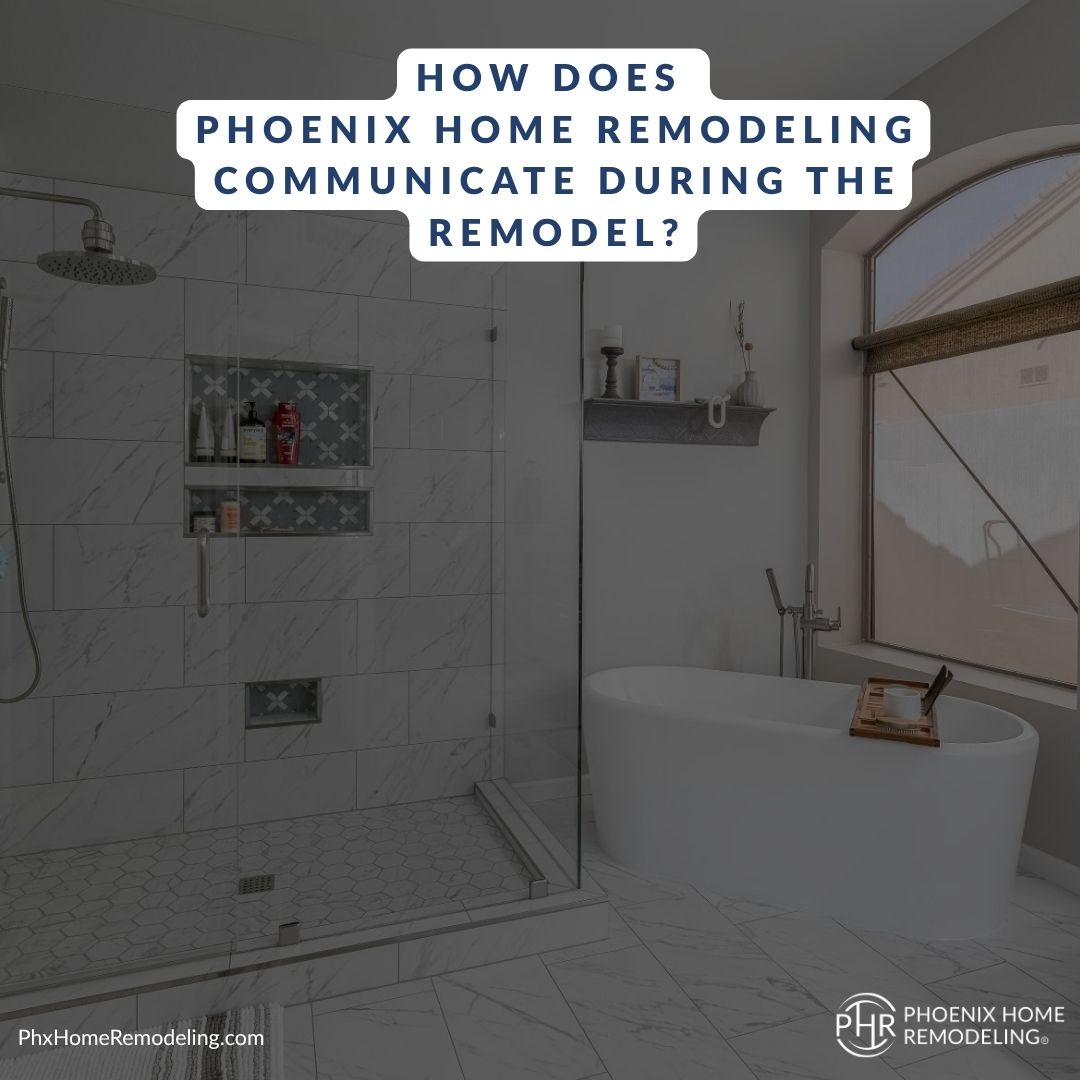
Phoenix Home Remodeling has built a reputation in the Phoenix area for structured planning, budgeting accuracy, and transparent communication. This reputation matters most when you are weighing a major investment on your home. A well-coordinated team reduces miscommunications and helps ensure that the project stays on track and on budget.
Long-term value and what to watch for when your project is done
The final step of any remodeling project is ensuring that the improvements continue to deliver value over time. That means selecting durable materials, making sure the space functions as intended, and planning for maintenance. If you can anticipate maintenance needs and design around them, you will protect the investment you have made and avoid the costs that come from neglect.
In Phoenix, the long-term value of a remodel often hinges on how well the updates age with the home and the neighborhood. A high-quality bathroom or kitchen update that remains timeless in its styling tends to retain appeal longer. Conversely, trends that were popular at the moment may not age as well, potentially limiting resale value. A prudent approach blends lasting materials, classic design cues, and updated mechanical systems that will endure.
One more thought on timing and market cycles
Markets move in cycles, and a remodel should fit your personal timeline as well as the local market rhythm. If you have a robust plan, you can time the project to minimize disruption to your daily life and leverage favorable financing conditions when they arise. A methodical, staged approach can also help you adjust scope if market conditions shift.
Phoenix remains a market that rewards thoughtful, well-executed renovations. The strongest ROI tends to come from projects that improve daily life, address structural or mechanical concerns, and present a finished look that feels updated without being overly flashy. A calm, practical approach – grounded in quality planning, solid materials, and reliable execution – often proves to be the most valuable path for homeowners who want to stay in their homes and enjoy them more fully.