The bathroom is a storefront of daily life. It’s where function meets comfort and where a misstep today can haunt you for years in the form of leaks, cold floors, or stubborn delays. I’ve spent years overseeing remodels, watching good plans go awry, and learning how to steer projects back on track without turning small problems into big headaches. The aim here is practical insight rooted in real work, not theory. If you’re about to pull the trigger on a bathroom remodeling project, read on with an eye toward what tends to derail a plan and, more importantly, how to keep that derailment from happening.
What makes bathroom remodeling so tricky is not just the tile pattern or vanity style. It’s the chain of decisions that must align with plumbing, electrical, waterproofing, ventilation, and the rhythm of everyday life. A single misalignment can cascade into delays, budget blows, and a finish that doesn’t live up to the promise of the design. The approach here is bluntly pragmatic: anticipate the problems before you see them, invest in the right details, and keep the space usable during the build so your life doesn’t get swallowed by the project.
From the first sketch to the final grout haze, the best outcomes come from a blend of clear goals, honest schedules, and a willingness to adapt. You’ll find specific traps below, followed by concrete steps you can take to prevent them. Throughout, I’ll share examples drawn from actual projects—good and bad—to illustrate how these issues show up in the wild and what a seasoned remodeler does about them.
Shaping a resilient plan from the start
The core of a successful bathroom remodel is a plan that recognizes constraints as opportunities rather than obstacles. A bathroom is a compact, high-use space where water, electricity, and heat converge. You do not get a second chance to perfect the lay of the drains or the placement of venting after the walls are closed. This is a space where details matter more than flash; where the right waterproofing, slope, and vapor management determine long-term reliability more than a glossy finish ever will.
When a project kicks off, the first question should be simple but powerful: what problem are we solving for the occupants? It sounds obvious, but it’s easy to drift into aspirational design talk without grounding it in daily life. If a household has two adults and two teenagers who wake up at different times, the morning routine needs to flow without bottlenecks. If a compact urban bathroom is all that’s available, you must maximize usable space without sacrificing safety. The design should be measured against these lived realities, not the prettiest tile catalog or the trendiest fixture.
In practice, the plan is a living thing. It evolves as you test assumptions against field conditions. The key is to lock the essential choices early—things that cannot be compromised without major consequences—and to defer aesthetic preferences that can be revisited later in the process. The cheapest fix or the easiest shortcut tends to bite you later when the budget is tight or the schedule is tight again. So push back against impulse decisions that save a few dollars today if they compromise long-term reliability or daily usability.
The most important people in a bathroom remodel are not the designer or the contractor alone. They are the homeowners who live with the space, the tradespeople who bring the plan to life, and the project manager who keeps the schedule honest. A healthy dialogue among these players prevents many of the common derails. When everyone is frank about constraints, alternatives, and trade-offs, you wind up with a space that performs as well as it looks.
Common pitfalls and how they unfold
Mistakes in bathroom remodeling tend to cluster around a few predictable patterns. Some are technical, some logistical, some procedural. The norm is that one misstep amplifies others. A leaky shower niche can delay tile installation. A delayed permit can stall the plumbing rough-in, which stalls everything else. The root causes are rarely singular; they’re the byproduct of risk taken in one corner of the project to save time or money in another. The best way to understand where things go wrong is to follow the chains of decision-making from rough-in to final finish.
Plumbing realities that surprise many homeowners
If you want a trouble-free bathroom remodeling experience, you must think like a plumber during the planning phase. Water and waste lines do not follow empty space dreams; they demand gravity and clearances. The simplest slip is underestimating the horizontal distance from the drain to the vent. Another frequent miscalculation is ignoring the slope requirements of shower bases and bathtub surrounds. In a best-case scenario, you catch these issues during rough-in inspection; in a worst-case scenario, you discover them after tile is installed and water is sneaking into the wall cavities.
One practical example from the field: a mid-century house with a narrow bathroom and a surprisingly long waste run. The original plan assumed a standard 2-inch drain with a direct vent. In reality, the vent line had to arc through a joist bay and into a shared stack, which changed the slope calculation for the shower pan. If the team hadn’t measured flow rates and verified venting early, the shower floor would have stayed wet longer after use, and the risk of mold would rise. The corrective steps mattered: rerouting a small section of pipe, adding a clean-out, and re-tiling a portion of the wall. The cost was not enormous in isolation, but the schedule impact could have wrecked the project timeline.
Electrical and ventilation that quietly shape comfort
A bathroom is not just about looks and plumbing. It’s a climate system of sorts. Proper ventilation prevents moisture-related issues, which are the slow burn of many remodels. A common mistake is treating a bathroom as a sealed room with a fan that merely spins when someone flips the light switch. In reality, the intermittent, sometimes heavy moisture exposure demands an appropriately rated fan with enough CFM to exchange air effectively. The fan should be sized to the room, not to the nearest square footage in a catalog; it should have a reliable humidity sensor or a timer, and it should vent to the exterior where possible. If not, you’ll fight peeling paint, warped trim, and unsightly condensation on mirrors.
Electrical work in a bathroom is one of those areas where the code and practical safety intersect. GFCI protection is non-negotiable, as is the separation of outlets from water sources. People often attempt to tuck an outlet into a vanity back panel to satisfy a design desire, but the result can be a compromised access point or a risk during routine maintenance. A minor design tweak—moving outlets to a location that keeps cords dry and streams from splashing onto metal—can save headaches during cleanup and routine use.
Waterproofing: the invisible guardrail
Waterproofing tends to be the least glamorous part of a remodel, which is exactly why it deserves the most attention. If you want to avoid a nightmare six months after the last towel has dried, you invest in careful waterproofing details. That means a well-sealed pan liner under the shower, careful integration with the curb and bench if present, and the use of premium waterproof membranes behind walls in high-moisture zones. It also means not cutting corners with the bathtub surround or shower niche by a few inches to fit a tile pattern or a fixture you love. There is a direct line from the waterproof layer to long-term durability. Remove it and you’re inviting leaks that degrade walls, compromise insulation, and require expensive remediation.
In one recent project, a lightweight prefab shower system was installed with a membrane that was not adequately overlapped with the adjacent wall waterproofing. It seemed like a cost saver at the moment, but after a few weeks of use, a slow seep began to appear at the seam. The fix involved cutting back portions of drywall, re-walling, and upgrading to a more robust waterproofing kit. It wasn’t catastrophic in cost, but it extended the project by two weeks and added a noticeable texture mismatch along the corner where the new tile met the existing wall.
Tiling, finish, and the tactile finish line
The final finish is where the space comes to life. Yet tiling can be a sly source of upheaval if the plan does not account for the realities of edge conditions, cut sizes, and tolerance for variations. Tile patterns that seem feasible in a design board may fail to align with wall dimensions once installed. A common misstep is pairing a large-format tile with a tight room where the substrate must be perfectly flat. If the substrate has even a slight undulation, large tiles will reveal it, and the result can be a smoothed over with more grout and heavy back-buttering, which eats into both budget and time.
The trade-off here is predictable. You can gain a bold, modern look with large slabs or you can go with smaller, more forgiving grout lines. The choice affects not just appearance but maintenance. Large-format tiles require careful substrate prep, while smaller tiles can be more forgiving but demand more grout lines to clean. A seasoned installer will explain these trade-offs in practical terms and help you choose a path that aligns with the family’s routine, cleaning tolerance, and long-term aesthetic goals.
Aesthetic decisions are not merely about style but about resilience
The design you choose has consequences beyond the visual. Materials chosen for a high-humidity space must weather routine use. Matte finishes hide water marks but can show soap residue. Glossy surfaces reflect light and can make a small room feel bigger but are more prone to showing water spots and fingerprints. Stone countertops look luxurious but demand regular maintenance and sealant refreshes. Engineered quartz might be more resistant to staining and easier to maintain, but it can crack if hit hard or installed without proper support.
In the midst of a remodel, home renovation services it’s easy to fall in love with a particular surface or fixture and let it dictate the schedule. The right approach is to anchor the aesthetic to the practical constraints first and then allow beauty to follow. There is composure in choosing materials that age well in a bathroom but also offer a reasonable path to sanctuary: a place where daily rituals happen with efficiency and calm.
Managing schedules, budgets, and the human element
A successful bathroom remodeling project is not a sprint; it is a measured pursuit that requires steady pacing and honest communication. The budget is never a single number; it is a living document that expands or contracts as decisions are refined. A prudent approach is to allocate a cushion for surprises, especially when plumbing or electrical work is involved. It’s not glamorous, but it’s a discipline that matters in the long run.
Schedules are equally important. The more you rely on subcontractors with varied workloads, the more you must build buffer time into the plan. A two-week delay in tile delivery can become a two-week ripple through the rest of the project if not managed with alternative tasks that keep workers productive. The project manager is a critical role in keeping this Phoenix Home Remodeling tension healthy. The manager should track milestones, communicate changes in real time, and lock in decisions rather than leaving choices hanging.
The human side of remodels often surfaces as misunderstandings about expectations. One family I worked with believed they would “just move the tub” and keep their current shower in place until the new one was ready. The reality was different. The bathroom needed to be usable during the transition, and that required a temporary solution that preserved privacy and water management. Having a candid conversation about what needs to happen during the build and what can be delayed helps prevent conflict and keeps momentum.
A two-tier approach to prevent derailment
The following two lists offer actionable guardrails you can apply to your project. The first is a brief checklist you can reference at the start of construction. The second is a short guide to ongoing decisions that arise during the renovation. Both are designed to be practical and digestible, providing a clear path through the most common friction points.
Checklist for avoiding major mistakes
- Confirm the shower pan and tile plan align with the actual room dimensions and drainage grade. Verify venting and humidity control are sized for the space and installed to external discharge. Insist on a waterproofing plan that is tested and documented, including membrane overlaps and clean-cut corners. Ensure electrical outlets follow code requirements and are positioned for daily use near fixtures and mirrors. Schedule a mid-project review to catch misalignments between design intent and site conditions.
Decision guide during the remodel
- If tile thickness conflicts with cabinet doors, weigh the option of thinner tiles or a different cabinet profile rather than forcing a fit and risking future wear. If a material is offered at a steep price with only modest performance gains, compare to an alternative with proven durability in humid environments. If a tradesperson spots a potential issue in rough-in, address it now rather than letting it become a fix on a wall later. If delivery timelines slip, consider alternate suppliers or storage options so the project does not stall entirely. If you feel the plan drifting away from your daily life needs, pause and re-clarify priorities before proceeding with a design change.
Concrete decisions that keep projects grounded
There is a subtle but powerful difference between planning and execution. The plan needs to be detailed enough to prevent guesswork, yet flexible enough to absorb the inevitable surprises. The best decision at any given moment is one that preserves the space’s daily usability while offering a path to a durable finish. A bathroom remodel that takes into account real-world use will protect the investment and deliver a space that feels quiet and reliable rather than brittle and fragile.
In the trenches, the small specifics matter more than sweeping design statements. I have watched projects stall because a pipe had to be rerouted to clear space for a vanity or because a niche was not framed to allow a rain shower head to be installed at the right height. These details—how much space a door swing needs, how high to place a towel bar, where to vent the exhaust—are the scaffolding of a successful remodel. They are not glamorous, but they are essential.
Edge cases that test your planning
There are always edge cases that force you to rethink a plan. A sloped site with a low ceiling, a bathroom that sits beneath a stairwell, or a shared wall with a neighbor’s bathroom can introduce unique constraints. In one renovation, a tiny upstairs bathroom perched on a structural beam required a curved wall to create room for a compact shower and a pedestal sink. The design solved the spatial challenge, but it demanded special attention to drywall detailing and heat management. In another project, a vent could not be vented directly outside due to routing restrictions, so we installed a high-quality inline booster fan and a pressure-balanced vent system to keep humidity under control. These aren’t everyday fixes, but they illustrate how a flexible mind and a bureau of practical options can salvage a project without sacrificing too much time or money.
A note on sustainability and future-proofing
The bathroom is a space that remains in service for years. It pays to think beyond the immediate finish and consider maintenance, replacement cycles, and the evolving needs of a household. For instance, choosing water-saving fixtures may add upfront cost but will pay dividends over the life of the home. Similarly, selecting materials with long warranties and proven resistance to humidity reduces the likelihood of early wear and tear. It is also worth planning for accessibility where appropriate, such as a reachable height vanity, lever handles, and a walk-in shower with a low threshold. These choices tend to improve both daily convenience and resale value, even if that isn’t the immediate goal of every homeowner.
Keeping the project usable during construction
A practical question homeowners ask is how to keep a bathroom usable during a remodel. The short answer is: not completely, but you can minimize disruption with a robust plan. If the project is large enough to require removing fixtures, you’ll need at least a temporary bathroom solution. A compact, well-ventilated setup elsewhere in the house can save you from daily chaos. If you can keep the sink and toilet in operation with temporary shielding or a curtained space, you’ll appreciate the difference. The best approach is to design the temporary setup with the same level of care as the final space: functional storage, good cleaning access, and a clear demarcation between construction zones and living zones.
Real-world anecdotes that anchor the conversation
Two quick stories illustrate the pull between design intention and field reality. The first is a master bath project in a retrofit home where the client wanted a walk-in shower with a rainfall head, a heated tile floor, and a seamless glass enclosure. With the room’s existing plaster walls and a shallow ceiling, the team discovered that the glass enclosure would require a heavy frame and extra structural support not originally accounted for. The compromise was to shift to a frameless glass with a reinforced back panel and a slightly different shower enclosure that allowed the heat system to operate efficiently while preserving the clean look. It turned a potential schedule killer into a story of adaptive design.
The second anecdote is about a family bathroom where the plan assumed a standard 60-inch vanity. In reality, the space demanded a deeper vanity to maintain enough legroom and comfortable use of the toilet. The solution was to customize a vanity with a built-in toe-kick storage, a slight reduction in countertop length, and a revised backsplash height. The project’s mood remained intact, the occupants gained a more usable space, and the final result was a better fit for daily life.
The long view: what success looks like
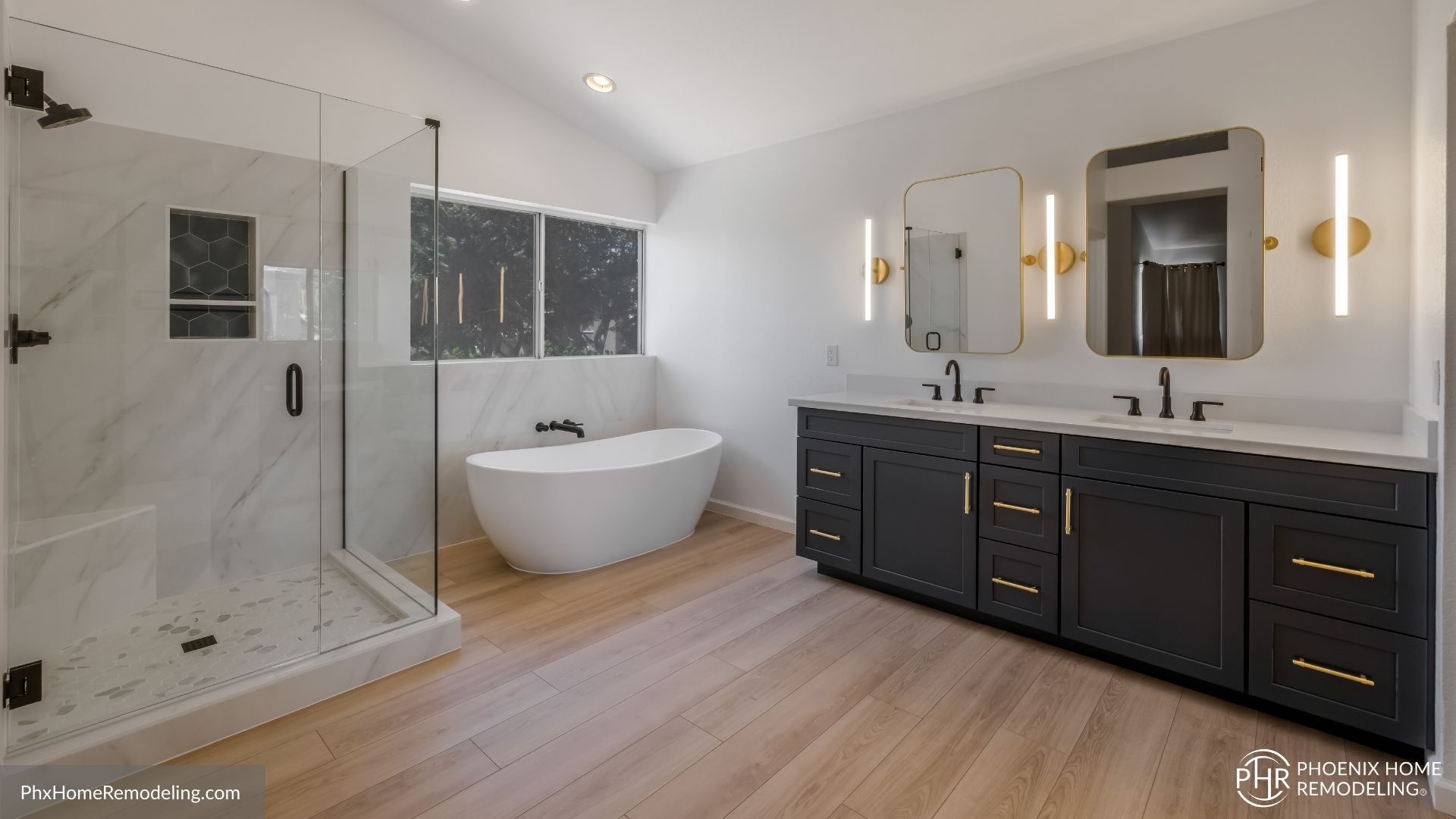
A successful bathroom remodeling project is less about a picture-perfect finish and more about the space functioning as a calm, reliable area for daily life. The best spaces feel balanced: the light is just right, the temperature remains comfortable, and the fixtures do not fight with the walls for attention. The markers of success are tangible and enduring. The shower drains reliably, the ventilation system keeps moisture at bay, the surfaces clean easily, and the transition between new work and existing structure is seamless to the eye and to the touch. When these conditions exist, you feel that the space was planned with real needs in mind, not just to satisfy a mood board.
A few practical tips to keep in mind as you begin
- Start with a reliable, honest budget that includes a contingency. If you can set aside five to ten percent for unexpected issues, you will be better prepared when the next surprise arrives. Choose materials with proven performance in bathrooms and a track record of durability. Be wary of materials that look great in bright showroom light but buckle under humidity. Invest in a robust waterproofing strategy and insist on independent verification, if possible. A failed waterproofing job is a slow, expensive problem to fix. Prioritize a layout that supports daily routines. Even the most beautiful space loses power if it doesn’t fit how you actually use the room. Build in time for adjustment. It is common to revise plans after field measurements reveal a better path to reliability or accessibility.
Wrapping up with clarity and intent
Bathroom remodeling is not a single moment of decision; it is a sequence of choices that shape daily life for years. The most resilient projects are those that anticipate constraints, respect the realities of building systems, and keep a steady focus on long-term usability. The best outcomes come from a disciplined approach that favors durable solutions over quick fixes and prioritizes clear communication over artful promises.
If you are embarking on a bathroom remodeling journey, take a seat with your team and talk through the big questions first: what daily routines must be preserved, what future needs might arise, what are the non-negotiables in terms of performance and safety. Then translate those answers into concrete decisions about waterproofing, ventilation, plumbing, and finished surfaces. The result will not just be a space that looks good but a space that works well and ages gracefully.